
Learn Turkish by understanding, not memorizing.
If you understand more Turkish than you can speak, these lessons close that gap. Dr. Furkan Kurt explains the reason behind every rule, so you learn to use it instead of memorising it.
Locative: where?
ev + de
= evde (at home)
The last vowel is e, so the suffix is -de.
okul + da
= okulda (at school)
The last vowel is u, so the suffix is -da.
kitap + ta
= kitapta (in the book)
The last vowel is a, so -da; the word ends in hard p, so d becomes t: -ta.
göl + de
= gölde (in the lake)
The last vowel is ö, so the suffix is -de.
Plural: -lar, -ler
kitap + lar
= kitaplar (books)
The last vowel is a: -lar.
ev + ler
= evler (houses)
The last vowel is e: -ler.
kız + lar
= kızlar (girls)
The last vowel is ı: -lar.
göz + ler
= gözler (eyes)
The last vowel is ö: -ler.
Dative: where to?
ev + e
= eve ((to) home)
The last vowel is e: -e.
okul + a
= okula (to school)
The last vowel is u: -a.
araba + ya
= arabaya (to the car)
The word ends in a vowel, so y comes between the two vowels: -ya.
kitap + a
= kitaba (to the book)
When a suffix starting with a vowel is added, final p becomes b: kitaba.
Question particle: mı, mi, mu, mü
kitap + mı
= kitap mı? (a book?)
The last vowel is a: mı. The question particle is always written separately.
ev + mi
= ev mi? (a house?)
The last vowel is e: mi.
okul + mu
= okul mu? (a school?)
The last vowel is u: mu.
göz + mü
= göz mü? (an eye?)
The last vowel is ö: mü.
I have taught Turkish at: Yunus Emre Institute, Parliament of the Republic of Kazakhstan, Presidency of the Republic of North Macedonia, Kyrgyz-Turkish Manas University, L. N. Gumilyov Eurasian National University, International Balkan University
Choose your level
Every level opens a new door in your life. Choose yours and watch the lessons in the order made for you.
Rule Logic Method
Turkish suffixes are not random. Every suffix has a logic; once you have seen it, you build the right form in hundreds of words yourself.
First you see the rule in one example, then you understand why it works, then you speak with real sentences.
| ev + de | evde | last vowel e: -de |
| okul + da | okulda | last vowel u: -da |
| kitap + ta | kitapta | hard p: d becomes t |
Latest lessons
All lessonsLatest articles
All articlesWhat do students say?
Learning Turkish with Furkan for a while now and can highly recommend. Being professional teacher, he is very structured, explains well and at the same time flexible to react to your requirements or questions and - important for me- patient. All lessons almost 100% in Turkish but speaks excellent English if needed. Punctual and speedy response outside lessons.
Merhaba! Learning a new skill or a new language for adults after their 30s or 40s can be often difficult. I had the same thoughts before choosing to learn Turkish. But Furkan makes it so easy and interesting to learn. His facilitation style is calm, detailed, and what I like the best is he puts in earnest efforts to know me and shape the class and teaching styles to my learning needs. If you are looking forward to learning Turkish, I will highly recommend Furkan. Teşekkürler,
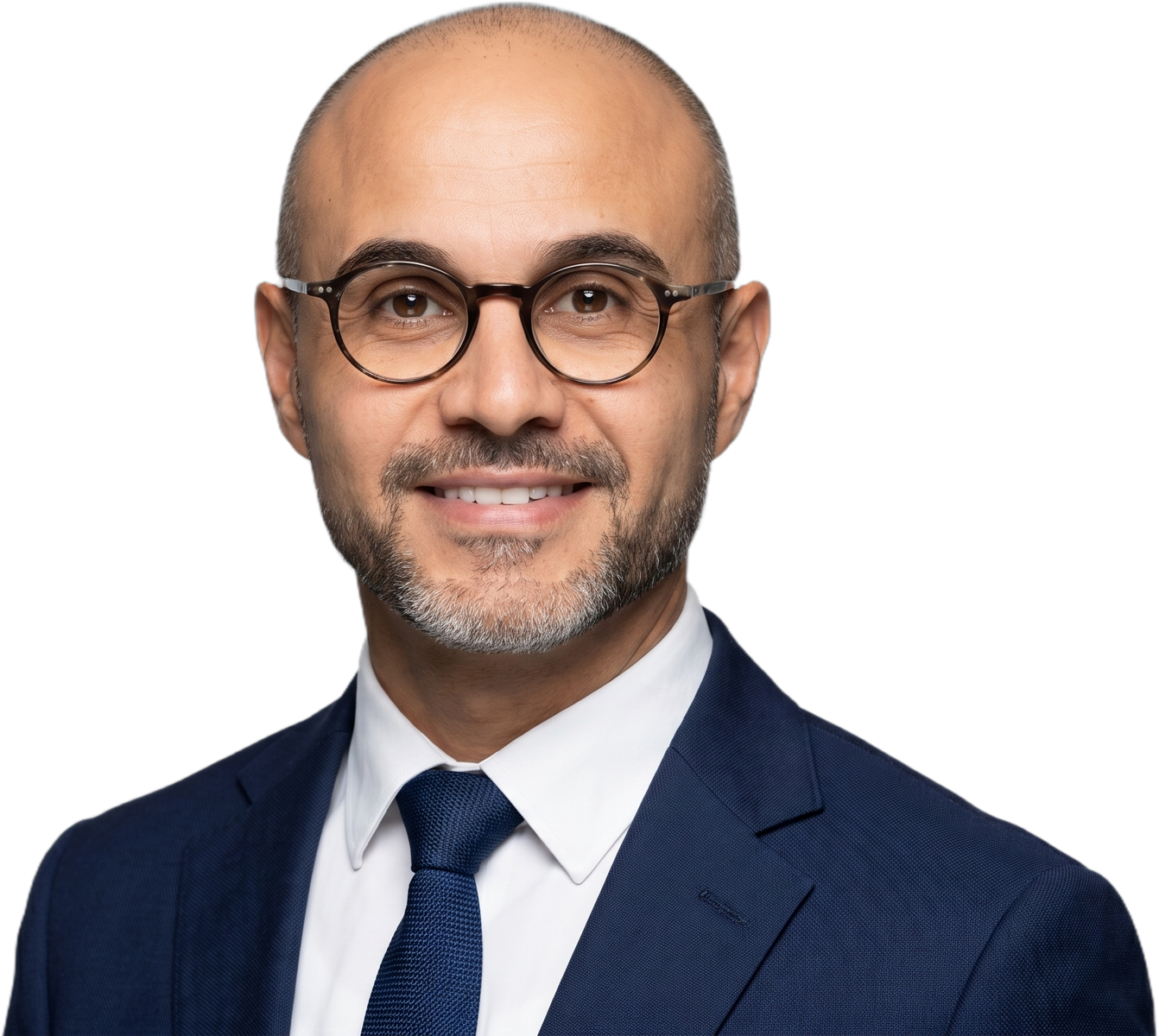
Have a question?
You can write to me directly about anything to do with learning Turkish.
Everything here is free
The lessons, the lesson notes, the podcast and the live practice days are free. If they helped you, there is one thing you can do: subscribe to the channel and send a lesson to someone.
Subscribe on YouTube (opens in a new tab)
- Turkish Made Simple: Listen on the road, in the kitchen, at the gym. Two separate series, in English and in Russian.
- Bil Bakalım (Guess it): A new A1 word every day. Can you find it in six guesses?
- Games: Practise Turkish words through play.
Free practice class
A free 30-minute speaking practice. When 5–8 people at the same level have signed up, I will email you the date.
Thank you. I will write to you when the class opens.